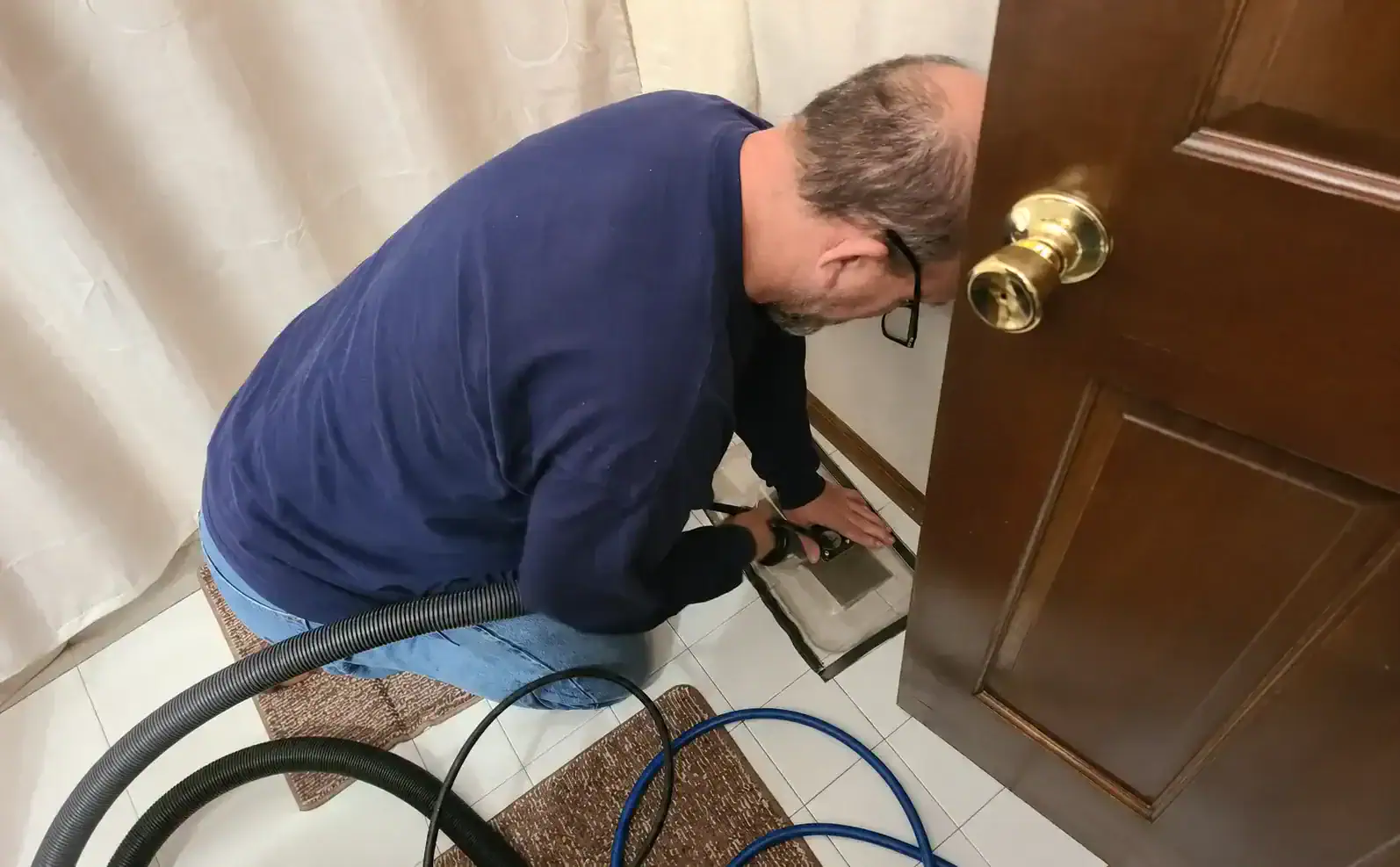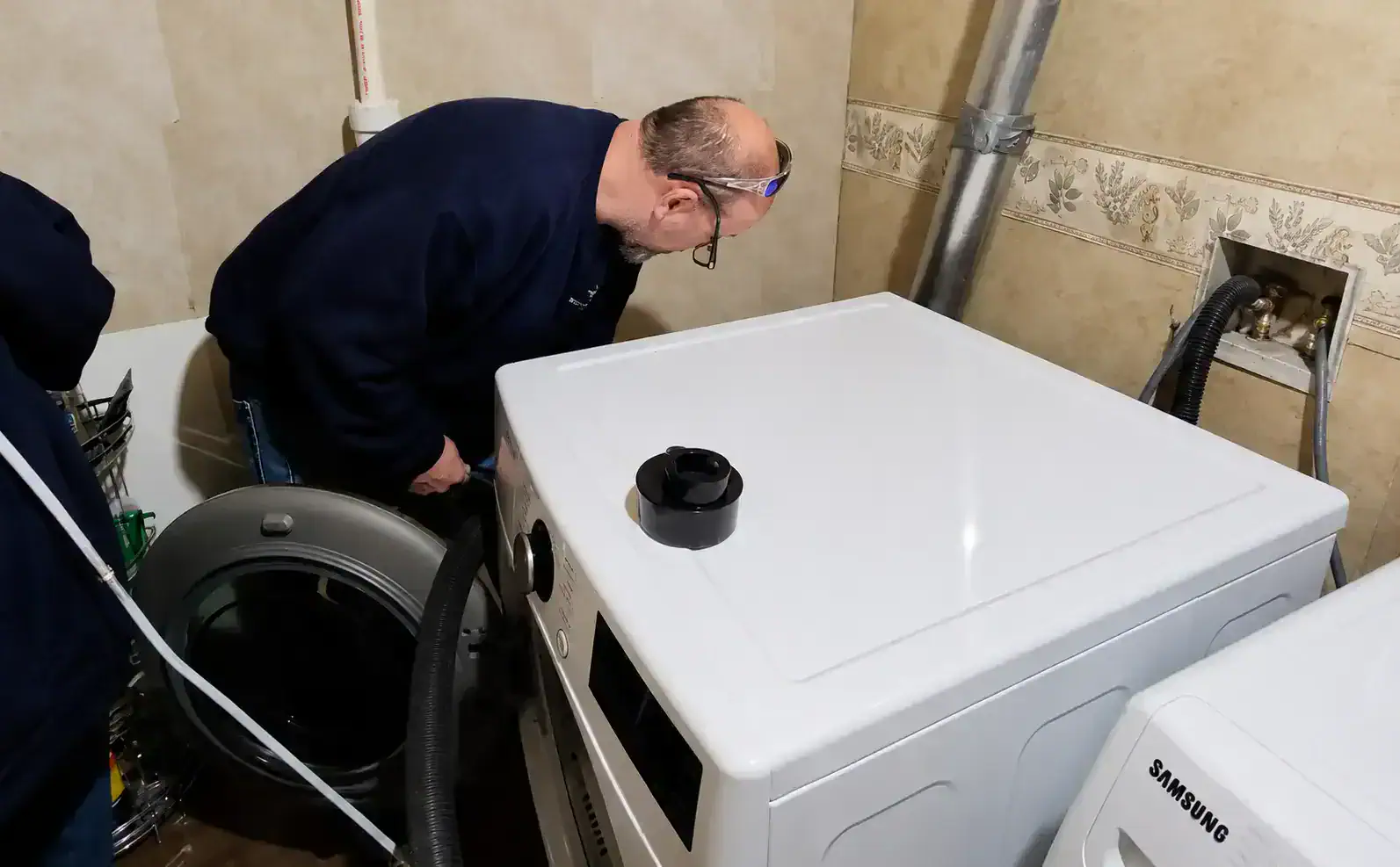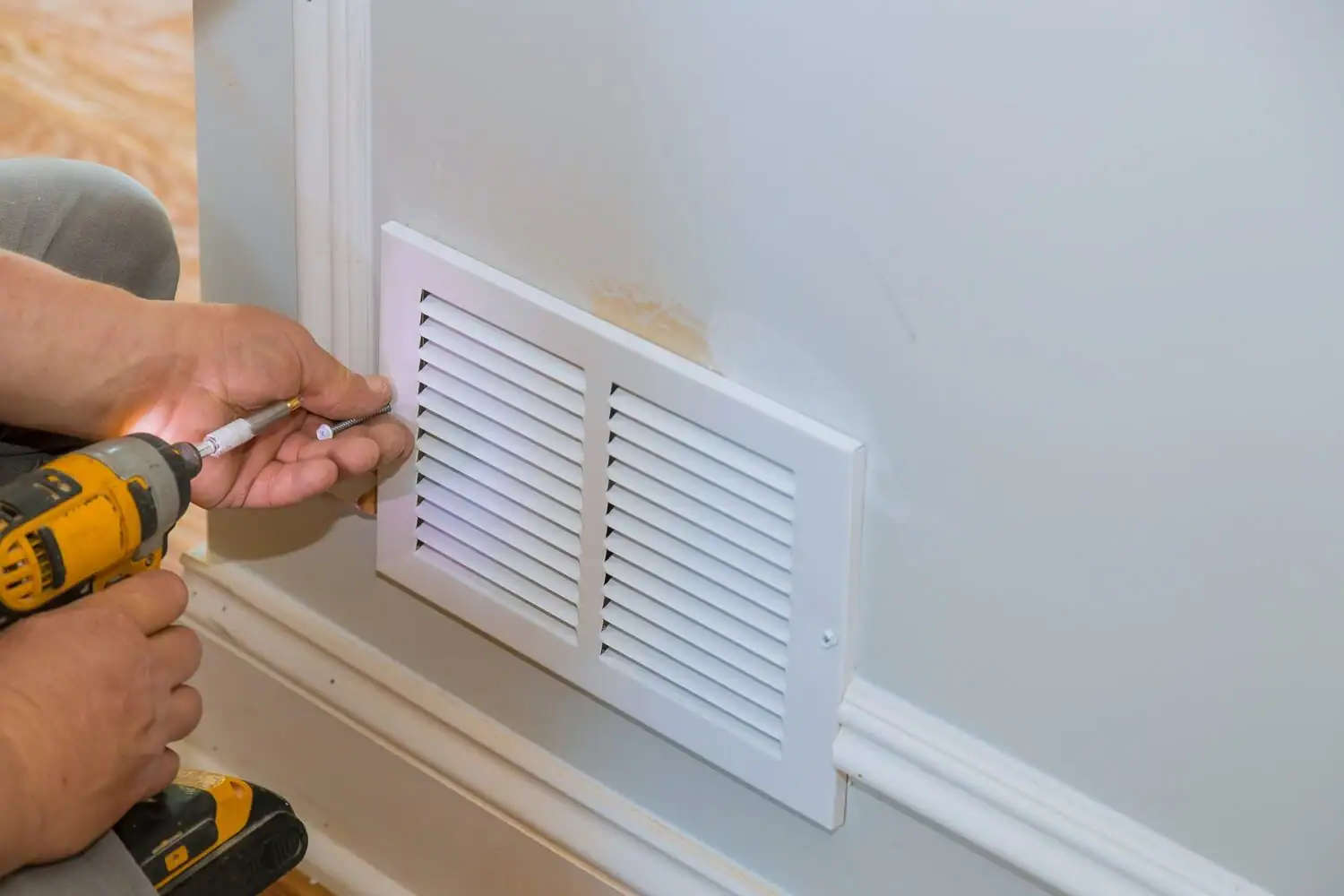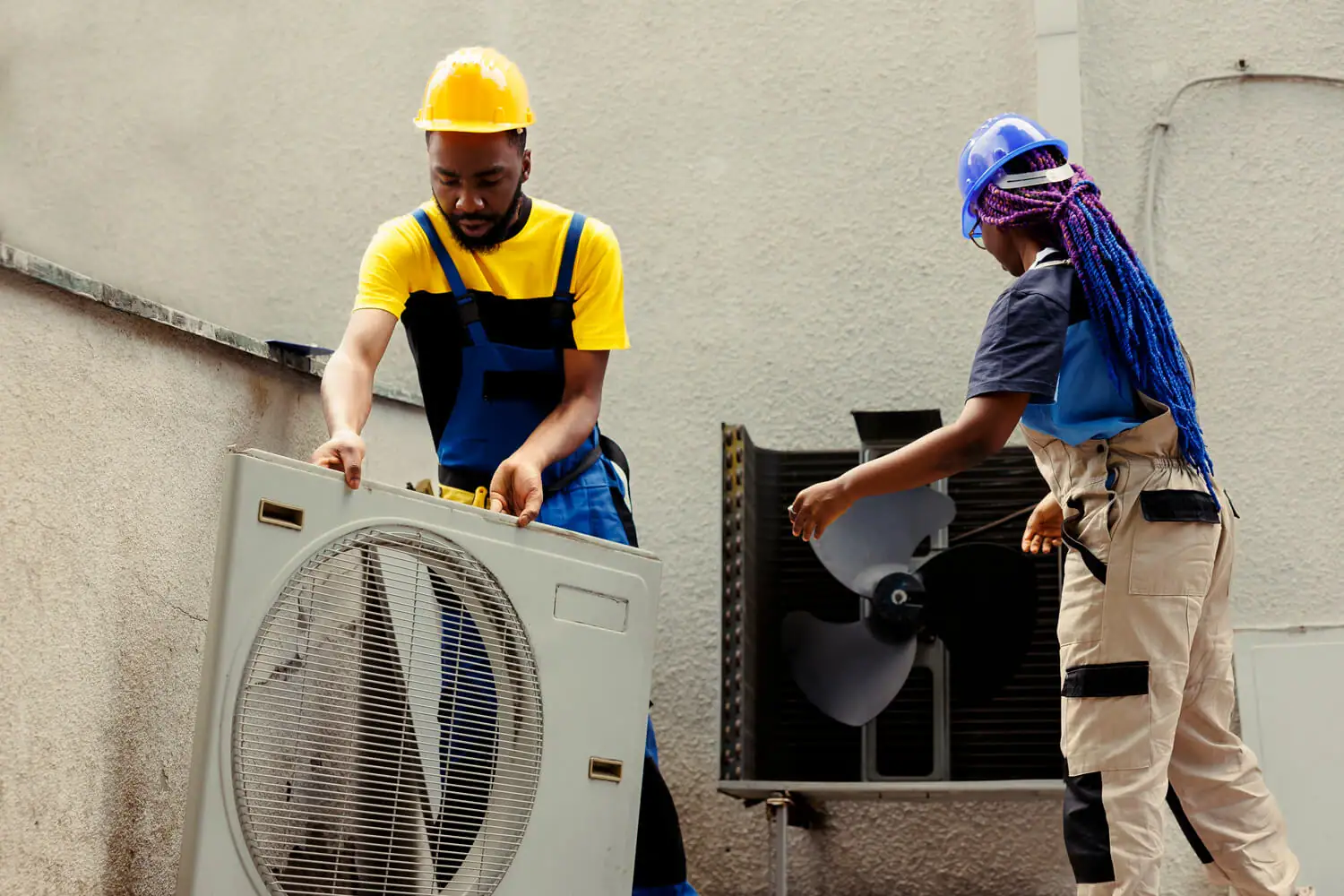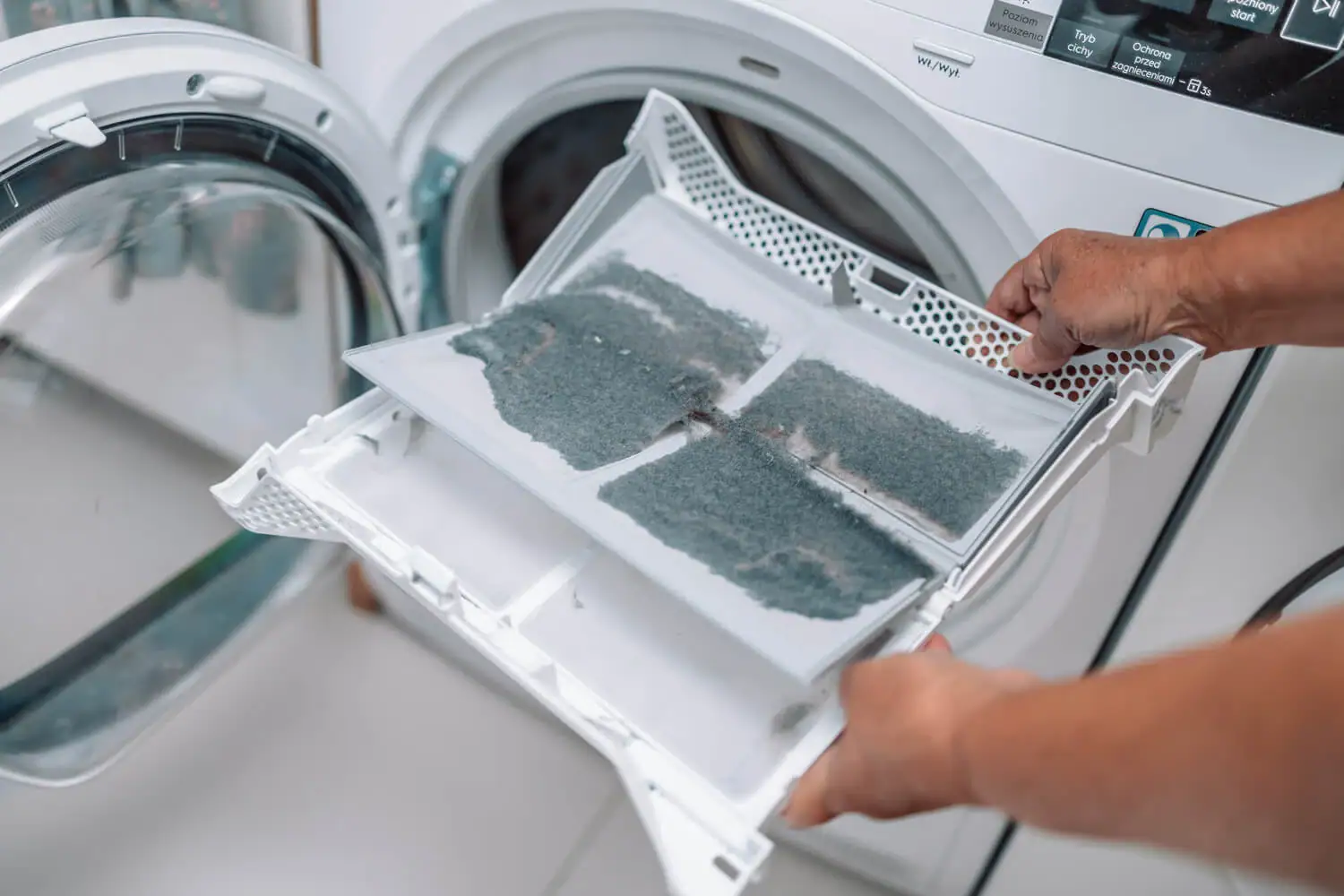
A dryer can appear to be working normally while its vent system has hidden problems. Lint buildup, disconnected ducts, crushed transition hoses, restricted airflow, and damaged vent components can affect dryer performance and potentially create safety concerns. That is why a thorough dryer vent inspection is an important part of maintaining a properly functioning dryer vent system.
At Dryer Vent Rescue, our inspection approach focuses on identifying problems that may not be visible during a basic visual check. Depending on the system, an inspection may involve examining the vent pathway, checking airflow, evaluating accessible connections, inspecting booster fans, and looking for conditions that could restrict proper exhaust.
Why Is a Dryer Vent Inspection Important?
The dryer vent has one primary job: carry hot, moist air and lint away from the dryer and discharge it safely outside. When the vent becomes blocked, disconnected, damaged, or improperly configured, the dryer may struggle to exhaust air efficiently.
A problem inside the vent system may not always be obvious. The exterior vent opening may appear normal even when lint has accumulated deeper inside the duct.
A professional dryer duct inspection can help identify issues throughout the accessible vent system and determine whether cleaning, repair, or further evaluation may be necessary.
Regular inspection is especially useful when a dryer begins taking longer to dry clothes, becomes unusually hot, produces unusual odors, or shows changes in normal performance.
Common Problems Found During Dryer Vent Inspections
A dryer vent inspection can reveal several conditions that affect airflow and safe operation. Common problems include:
- Excessive lint buildup
- Blocked or restricted ductwork
- Disconnected vent sections
- Crushed transition hoses
- Kinked or sharply bent hoses
- Damaged vent components
- Poorly connected duct sections
- Booster fan problems
- Restricted exterior termination
- Airflow limitations
Some issues can be corrected through cleaning, while others may require repair or replacement of damaged components.
Lint Buildup Detection
Lint accumulation is one of the most common concerns associated with dryer vents. Although the dryer’s lint screen captures much of the lint produced during a load, some material can still enter the exhaust system.
Over time, lint can accumulate inside the duct and restrict airflow. The longer and more complicated the vent pathway is, the more difficult it may be to identify the exact location and extent of the buildup without proper inspection.
Lint buildup detection can involve visual examination, airflow evaluation, and inspection of accessible sections of the duct system.
Identifying buildup early can help determine whether the vent requires professional cleaning before restricted airflow begins affecting dryer performance.
Airflow Testing for Dryer Vents
Airflow is an important indicator of how effectively a dryer vent system is exhausting air.
An airflow test dryer evaluation can help identify restrictions that may not be immediately visible. Depending on the vent configuration, a technician may assess the airflow pressure or performance of the exhaust system to determine whether air is moving properly through the duct.
Restricted airflow can be associated with lint buildup, crushed hoses, disconnected sections, excessive bends, damaged ductwork, or other obstructions.
Airflow testing can therefore provide useful information that complements a visual inspection.
Airflow Pressure Testing
Airflow pressure testing provides another way to evaluate the condition of a dryer vent system.
Instead of relying solely on what can be seen, pressure measurements can help identify potential restrictions within the vent pathway. An unusual pressure reading may indicate that the dryer is working against resistance somewhere within the exhaust system.
The results should be considered alongside the vent’s length, configuration, dryer type, and other system characteristics.
A professional inspection can help determine whether unusual airflow conditions are related to lint buildup, duct restrictions, or another issue.
Video Camera Line Inspection
Some dryer vent problems can occur in locations that are difficult to access directly. A video camera line inspection can provide a closer look at portions of the duct pathway.
A small inspection camera can help identify conditions such as:
- Heavy lint accumulation
- Obstructions
- Damaged sections
- Disconnected areas
- Unusual duct configurations
- Potential restrictions
Camera inspection can be particularly useful when a vent has a long or complicated pathway and the source of an airflow problem is not immediately apparent.
Instead of assuming where a blockage exists, visual inspection equipment can provide additional information about the condition of the accessible vent line.
Identifying Crushed Transition Hoses
The transition hose connects the dryer to the vent system and needs to maintain a suitable pathway for exhaust air.
Because this section is often located behind the dryer, it can become compressed when the appliance is pushed too close to the wall. A crushed or sharply kinked transition hose can restrict airflow.
During a dryer vent inspection, the accessible transition hose can be checked for signs of:
- Crushing
- Kinking
- Excessive bending
- Damage
- Loose connections
- Improper positioning
Correcting an airflow restriction in this area may be relatively straightforward compared with problems deeper inside the vent system, which is why checking the transition hose is an important part of an inspection.
Checking Dryer Vent Disconnections
A disconnected dryer vent can prevent exhaust air from reaching the exterior properly. Depending on where the separation occurs, warm and moist air may be released into an unintended area.
A visual inspection of accessible connections can help identify loose or disconnected sections.
The technician may also consider airflow behavior and other signs that could indicate an issue somewhere along the vent pathway.
If a connection is damaged or improperly secured, the appropriate repair should be determined based on the vent configuration and applicable requirements.
Booster Fan Checks
Some dryer vent systems use booster fans to assist airflow, particularly where the vent configuration requires additional support.
A malfunctioning booster fan can affect the performance of the vent system. During an inspection, accessible components can be checked for obvious operational or installation concerns.
The inspection may include evaluating whether the fan operates as expected and whether the surrounding vent pathway appears unobstructed.
If a booster fan is present, it should be considered as part of the overall vent system rather than evaluated separately from the ductwork.
Dryer Vent Code Compliance
Proper dryer vent installation and maintenance can involve requirements related to vent materials, routing, termination, clearances, and other construction considerations. These requirements can vary depending on the location, building type, and applicable regulations.
Dryer vent code compliance should therefore be evaluated according to the requirements that apply to the specific property and jurisdiction.
An inspection can identify visible conditions that may warrant further review, but homeowners and property managers should consult the applicable local building authority or qualified professional when determining exact code requirements.
Signs You May Need a Dryer Vent Inspection
You do not have to wait for a major problem before having the vent system inspected. Consider arranging an inspection if you notice:
Clothes Take Too Long to Dry
If normal loads suddenly require additional cycles, restricted airflow could be one possible cause.
Dryer Becomes Extremely Hot
Excessive heat may indicate that the appliance is not exhausting air effectively.
Unusual Odors
A burning or unusual smell during operation should not be ignored. Stop using the dryer if you suspect an immediate safety problem and arrange for appropriate professional evaluation.
Reduced Exterior Airflow
If little air is coming from the exterior termination while the dryer is running, the vent may have an airflow restriction.
Recent Dryer or Vent Installation
An inspection can help identify installation-related concerns, particularly when the vent configuration has recently changed.
Inspection vs. Dryer Vent Cleaning
Inspection and cleaning serve different purposes.
A dryer vent inspection focuses on identifying the condition of the system and locating potential problems. Cleaning focuses on removing accumulated lint and debris.
In some cases, both services may be appropriate. For example, an inspection may identify significant lint accumulation, after which professional cleaning can be performed to clear the vent.
In other situations, the inspection may reveal a crushed hose, disconnected section, or another issue that requires attention before or in addition to cleaning.
Understanding the difference helps property owners address the actual condition of their dryer vent instead of assuming that every problem is simply a lint blockage.
Protect Your Dryer System With Dryer Vent Rescue
A dryer vent is more than a simple duct behind the appliance. It is an important part of the dryer’s exhaust system, and problems within that system can affect airflow, drying performance, and overall operation.
At Dryer Vent Rescue, we focus on identifying potential dryer vent problems through careful inspection and appropriate testing. Depending on the system, our inspection process may include airflow evaluation, pressure testing, video camera inspection, transition hose checks, and booster fan evaluation.
If your dryer is taking longer to dry clothes, operating unusually hot, or showing signs of restricted airflow, a professional inspection can help identify the underlying issue.
Regular attention to the vent system can help detect problems before they become more difficult to address. Whether the issue involves lint buildup, a disconnected section, a crushed transition hose, or another airflow restriction, identifying the problem is the first step toward determining the appropriate solution.
Frequently Asked Questions
What is included in a dryer vent inspection?
Depending on the system, an inspection may include checking accessible ductwork, airflow, connections, transition hoses, booster fans, and potential lint buildup or restrictions.
How can I tell if my dryer vent is clogged?
Long drying times, reduced exterior airflow, excessive dryer heat, and repeated drying cycles can indicate a possible restriction. A professional inspection can help determine whether lint buildup is present.
Why is airflow testing important?
Airflow testing can provide information about how effectively air is moving through the dryer vent and may help identify restrictions that are not easily visible.
What is a video camera line inspection?
A video camera inspection uses a small camera to view portions of the vent pathway that may be difficult to examine directly. It can help identify buildup, obstructions, damage, or other visible conditions.
Can a crushed transition hose affect dryer performance?
Yes. A crushed or severely kinked transition hose can restrict exhaust airflow. Checking this component is an important part of evaluating the dryer-to-duct connection.
Does Dryer Vent Rescue inspect booster fans?
Where a booster fan is part of the dryer vent system, it can be evaluated as part of the inspection to identify obvious operational or airflow-related concerns.